FORT KNOX, Ky. — Pressure is a constant part of military training, but for cadets assigned to 1st Regiment, Advanced Camp, it can be a powerful teacher.
During the Battle March and Shoot exercise, cadets faced physical exhaustion, mental stress and the challenge of performing under pressure. Yet rather than allowing those obstacles to define their experience, many transformed them into opportunities to build confidence, resilience and leadership.
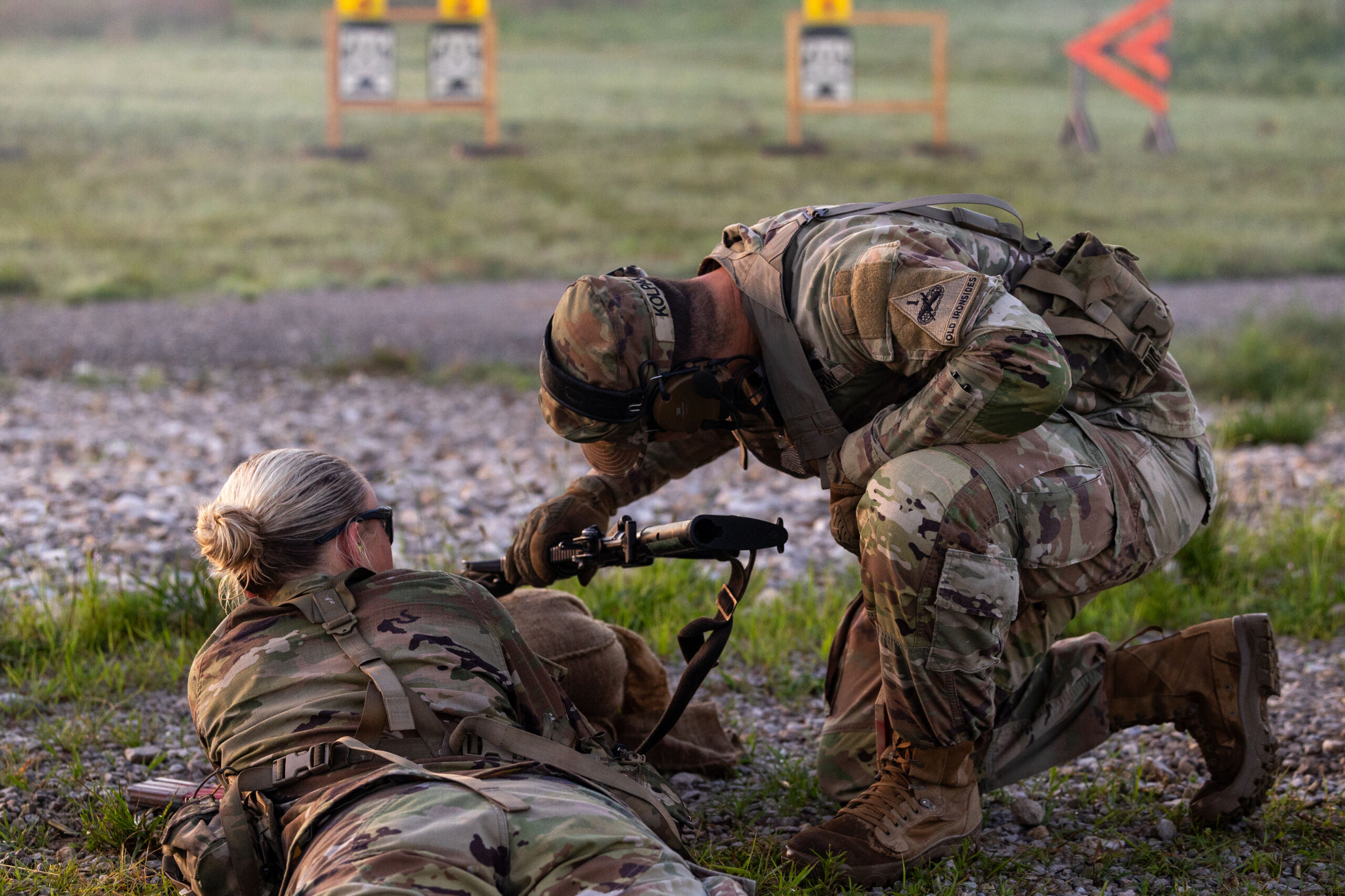
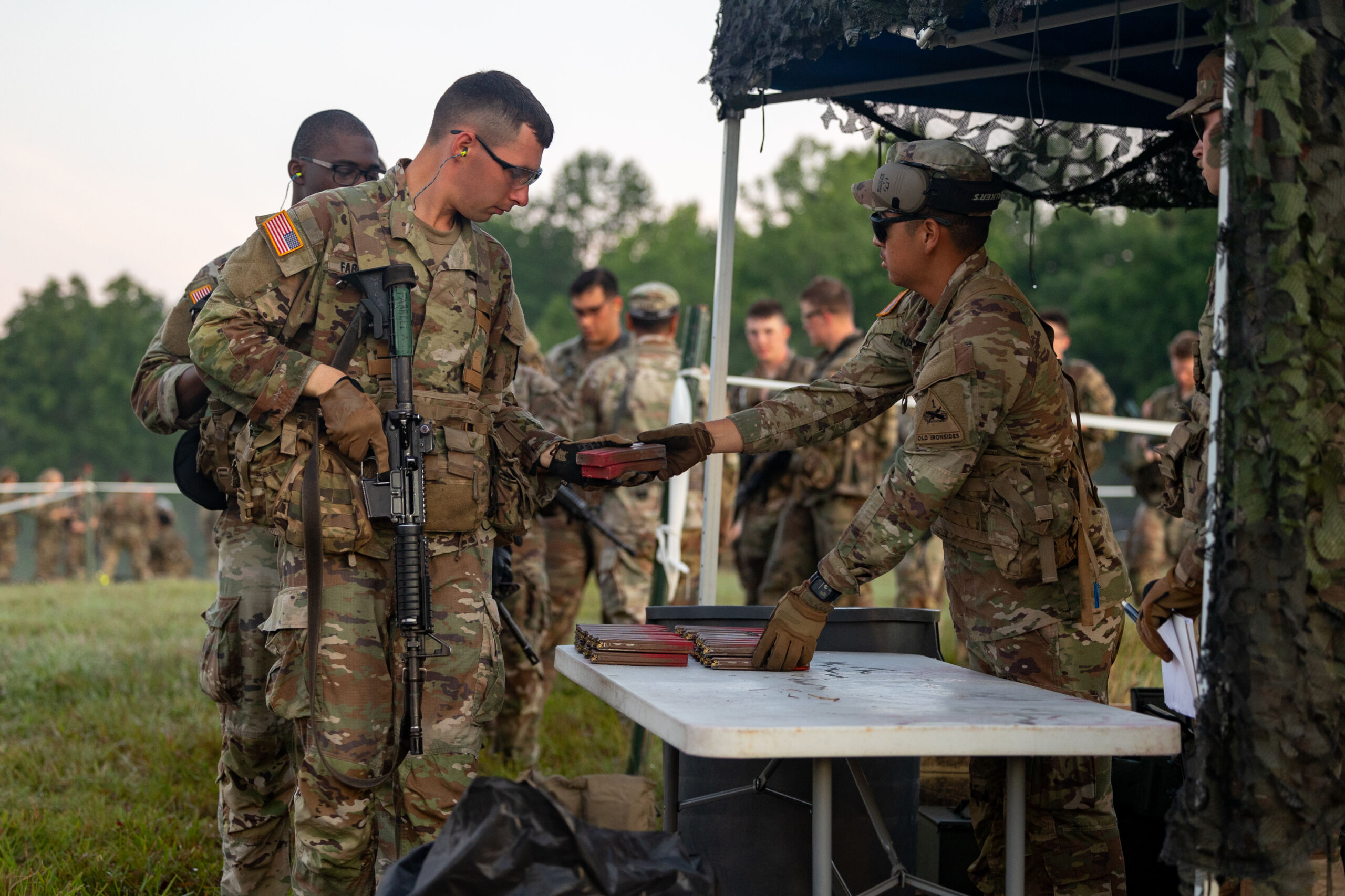
To complete BMS, cadets must finish a six-mile ruck march within two hours before participating in a stress shoot, firing 40 rounds at an assigned target. The event tests more than physical endurance; it challenges cadets to manage stress and make decisions while fatigued.
Cadet Jordan Greenblatt, The Citadel, began his day before sunrise ready to embrace the challenge.
“Some of my peers and I finished [the ruck march] at the front of the group with some of the cadre,” Greenblatt said. “It was good to get out there with some of my buddies, do something difficult and get some physical activity in this morning.”
For Greenblatt, the pressure of BMS felt familiar. As a marathon runner, he has learned that nerves often accompany difficult goals. Drawing from those experiences, he relied on controlled breathing techniques to stay focused throughout the event.
While every cadet encounters stress differently, many discovered that purpose could be found in the challenge itself.
Cadet Dominic Kittle, Virginia Tech, compared the nervousness he felt before BMS to delivering a commencement speech during his senior year of high school. In both situations, preparation became the key to confidence.
Throughout the march, Kittle focused on the plan he developed with a fellow cadet to manage the terrain and summer heat. Their strategy was simple: walk uphill, run downhill and keep moving toward the next arm immersion station.
Along the route, cadets often encouraged each other to keep pushing forward. The shared experience revealed an important lesson: leadership often emerges when people are tested.
For Dominic, leadership is rooted in serving others and helping them succeed.
“Know when to praise somebody,” he said. “I think that’s often overlooked. You should tell somebody they’re doing a good job and recognize that.”
His understanding of leadership has been shaped by mentors throughout his life, including his father, retired Master Sgt. Scott Kittle, and his brother, retired Capt. Christopher Kittle.
“I always love to pick Christopher’s brain and get his perspective on things before I make decisions,” Dominic said. “They just have a wealth of knowledge when it comes to the Army.”
While family mentors helped establish his foundation, training events like BMS provide cadets an opportunity to put those lessons into practice. Every mile marched, every challenge overcome and every moment of self-doubt managed becomes part of their development as future Army leaders.
As Cadet Summer Training continues, cadets will face additional high-pressure situations designed to test their abilities. For many, the goal is no longer simply enduring stress but learning how to channel it into something greater — turning pressure into purpose.



About the Author: Meghan Sawitzke