
FORT KNOX, Ky. — At some point in their lives, everyone challenges themselves, even if those challenges look different from person to person.
Cadet Madison Morgan, assigned to Alpha Company, 5th Regiment, Advanced Camp, from the University of California, sees people challenge themselves on a regular basis — her students.
Despite being on Fort Knox for Cadet Summer Training, Morgan spends her days as an eighth-grade English teacher for students with learning disabilities, a decision that was sparked by her desire to have a career centered around “folks that [are] not often included.”
“We work with students that have pretty severe disabilities, like intellectual disabilities [and] pretty severe genetic conditions,” Morgan said.
With that, she spends her days pushing her own students to challenge themselves to do something they either have never done before or have struggled with — tasks that, according to Morgan, might seem easy to most people, such as writing their names or even counting to 30.
However, for her students, they were major milestones.
But difficulty is not without the recognition of struggle, and it was because of her students’ struggles that Morgan decided to push herself to do something new.
“It is easy to get frustrated,” Morgan said. “It is so difficult, and I [realized] I can not ask [them] to do difficult things if I myself do not do difficult things.”
So, she chose to join the Army.
“It was the hardest thing I [could] think to do,” Morgan said.
However, her time in the Army has shed some light onto the realities that both her and her students face. Morgan claimed that the Army has given her both perspective and patience, because even if the things she is doing are different than those of her students, it does not negate the challenge of it.
But the skills and lessons that she has learned during her time in the Army are beneficial in multiple ways, such as being able to physically assist her students if an emergency arises. Not only that, but she claims that it gave her more insight and clarity as to what emotions her students are feeling whenever she asks them to do something challenging.
“Those challenges, even if you throw a chair, even if you bite [and] even if you scratch,” Morgan said, “however you process those emotions, you can get through it.”
Given her own personal frustration, whether it be on the ruck or on the range — which, according to her, is all of the time — Morgan now sees struggle in a different light.
With the plan to graduate CST and commission into the National Guard part-time, allowing her to still pursue teaching full-time, Morgan feels as though she will have the best of both worlds.
But without the difficulties that she has faced during not only CST, but during her time in the Army as a whole, she would not have understood the severity in the differences of struggle, and she plans to take what she learns here back to her classroom.
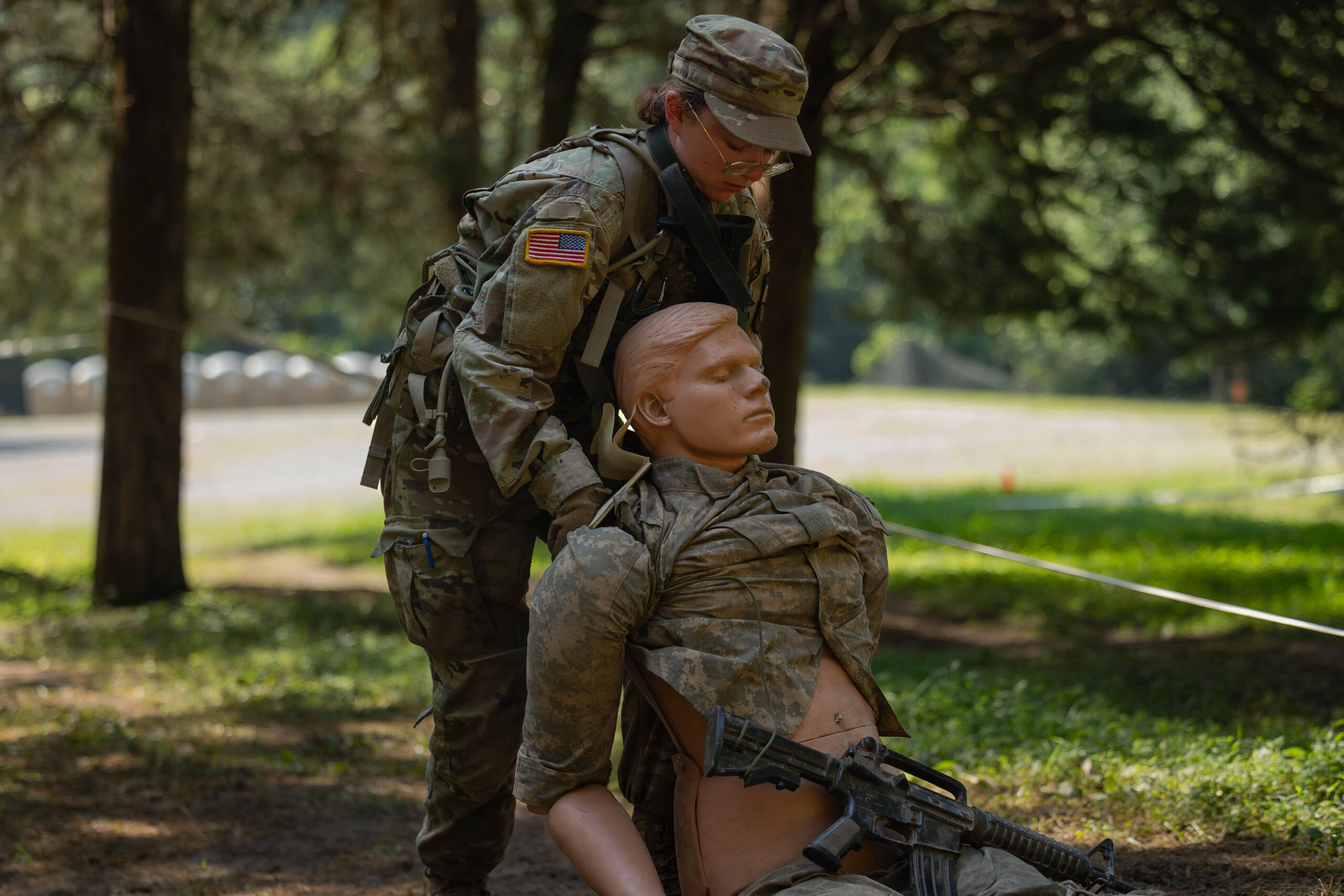
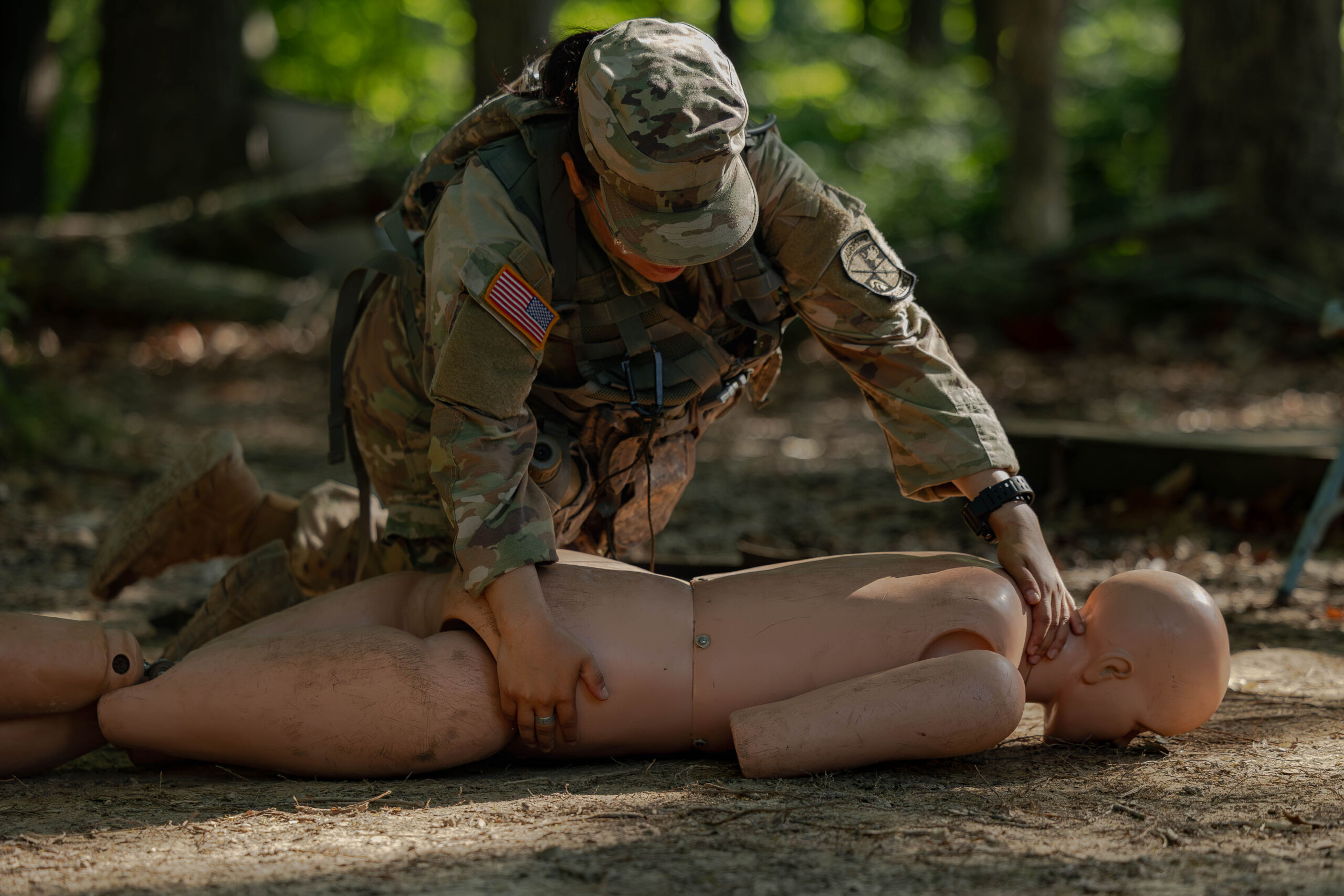
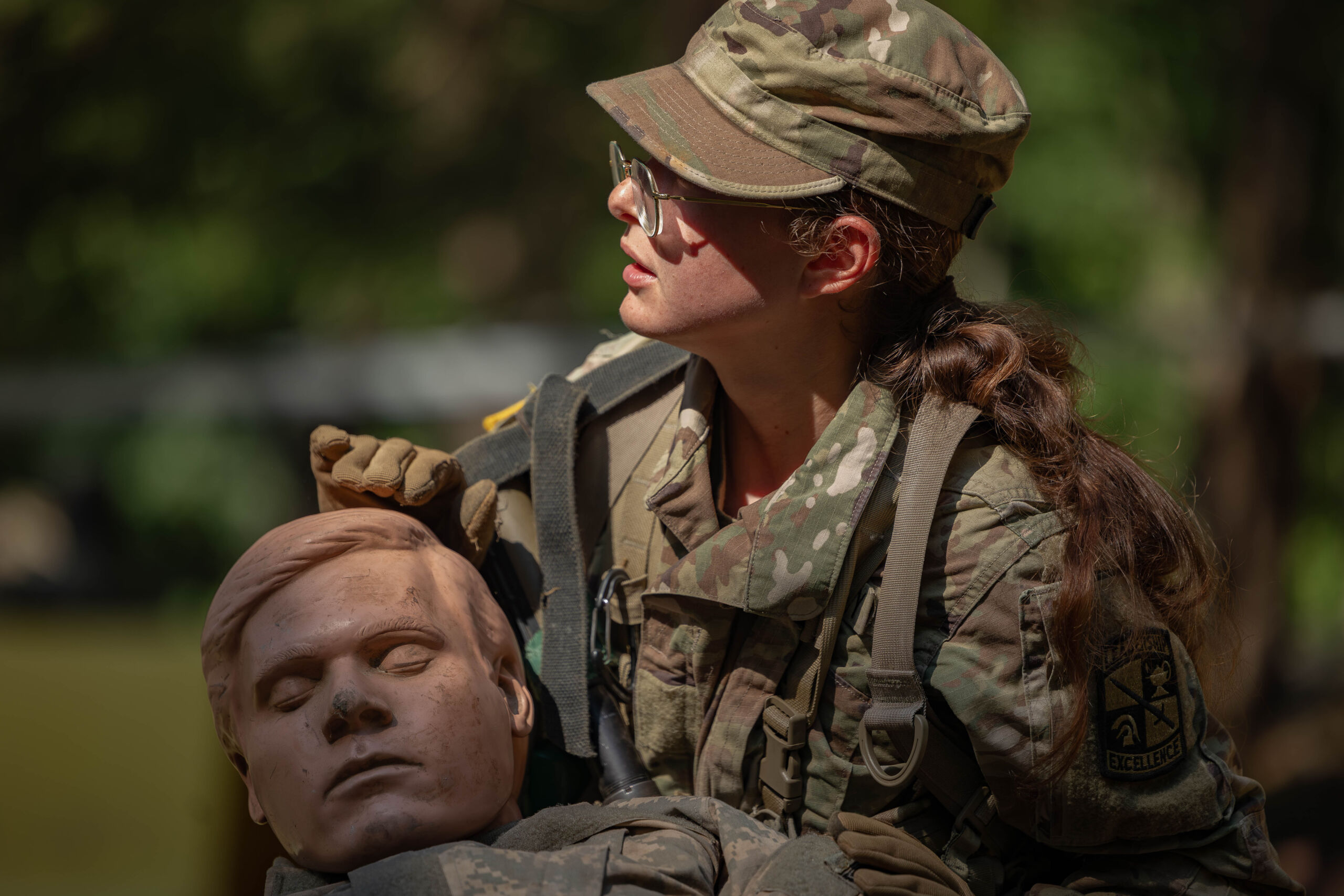
“It seems easy for you and I, but this is their ruck. This is their casualty response to care under fire,” Morgan said.
About the Author: Jayden Vaughn